A Complete Overview to Tailored Produce Boxes: Elements, Styles, and More
Custom produce boxes are important in the delivery of fresh fruits and vegetables. The selection of substances, styles, and green options significantly influences both preservation and presentation. Knowing these elements can boost brand differentiation and customer satisfaction. Still, not all packaging solutions are made the same. Examining the details of effective designs can uncover key insights into optimizing freshness and appeal. What factors must one consider when choosing the best packaging?
Why Custom Packaging Is Important for Fresh Produce
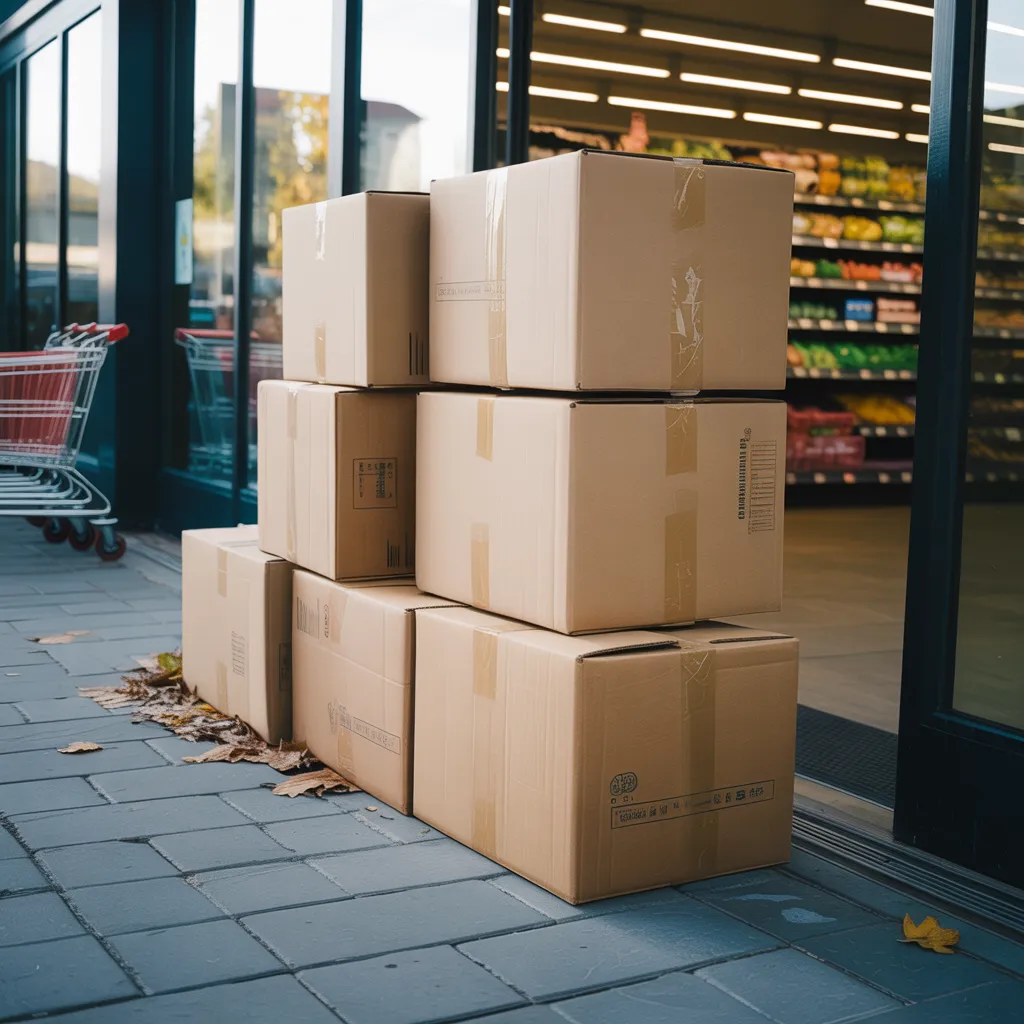
Custom packaging holds significant importance in the preservation and presentation of fresh produce. It ensures that fruits and vegetables remain unblemished during transportation, reducing bruising and spoilage. This protective role is critical for maintaining the quality and freshness that consumers expect. In addition, custom packaging can improve the aesthetic charm, making products more visually attractive to potential buyers. By incorporating unique designs and branding elements, access now businesses can differentiate their offerings in a competitive marketplace.
In addition, tailored packaging solutions can improve shelf life through design elements such as air vents or humidity regulation, adapting to the specific needs of various fruit and vegetable categories. This flexibility assists in minimizing waste, supporting sustainability goals. Ultimately, custom packaging serves both practical and promotional objectives, reinforcing brand identity while ensuring that fresh produce arrives at consumers in peak condition. As a result, committing to quality bespoke packaging is essential for producers seeking to elevate their products and meet consumer expectations.
Determining the Best Materials for Your Produce Boxes
Picking the correct materials for produce boxes is vital for preserving quality and providing safeguard during transport. Sustainable options not only appeal to green-minded consumers but also enhance brand reputation. Additionally, the durability of these materials plays a significant role in preventing damage to items from damage.
Sustainable Material Options
As companies increasingly prioritize sustainability, choosing the right resources for produce boxes has become essential. Environmentally friendly options include recycled cardboard, which lowers waste and uses less energy in production. Biodegradable materials, such as cornstarch-based plastics, offer an alternative that breaks down naturally, minimizing environmental impact. In addition, bamboo and other rapid-growth plants serve as sustainable sources, providing strength and long-lasting quality. These materials not only align with eco-conscious values but also cater to a growing consumer demand for sustainable actions. Businesses can also enhance their sustainability by choosing soy-based inks and minimal designs, cutting the overall environmental footprint while maintaining an appealing aesthetic. Ultimately, selecting sustainable materials shows a commitment to both quality and environmental responsibility.
Longevity and Protection Factors
Deciding on suitable products for packaging solutions copyrights on durability and defense. Top-tier options, such as corrugated cardboard or sturdy plastic, play an essential role in protecting contents throughout transport and storage. Corrugated cardboard offers outstanding strength-to-weight ratios, providing sufficient protection from impacts while staying light. On the flip side, plastic selections can be better protected to moisture and pests, enhancing the longevity of the produce. Additionally, incorporating features such as strengthened corners or ventilation holes can better protect the contents and keep quality. Ultimately, selecting the right choices guarantees that produce boxes not only survive the rigors of the supply chain but also deliver quality unblemished products to consumers, thereby boosting client happiness and market standing.
What Designs Are Most Effective for Custom Produce Boxes?
When assessing the perfect selections for custom produce boxes, it's crucial to balance practicality with aesthetic appeal. Multiple styles stand out for their effectiveness in displaying products while ensuring safe transport.
The classic open-top crate offers excellent ventilation, rendering it appropriate for items that require air circulation, such as lettuce and spinach. On the flip side, the self-locking box design provides simple assembly and added security, perfect for fragile produce.
For branding goals, transparent boxes allow customers to observe the products, enhancing visual charm and confidence. Additionally, stackable designs maximize storage effectiveness, helping merchants and consumers in equal measure.
At the end, the addition of dividers within boxes helps maintain organization of various produce types, minimizing damage during transport. By combining these styles, companies can design personalized produce containers that not only protect the contents but also attract customers through innovative design.
Eco-Friendly Options for Sustainable Packaging Materials
Sustainable packing solutions have become more essential in the creation of custom produce boxes. Manufacturers are now focusing on materials that minimize ecological footprint while maintaining functionality. Recycled cardboard and biodegradable plastics are common options, as they reduce waste and promote a circular economy. These materials can efficiently protect produce, ensuring freshness and quality during transport.
Furthermore, eco-friendly ink systems and fastening solutions are gaining traction, delivering a non-toxic alternative for printing and assembly. The use of degradable components further enhances eco-friendly practices by allowing consumers to dispose of packaging while reducing landfill waste.
In addition, lightweight designs can help to cutting transportation emissions, making the full supply chain more environmentally sound. As consumer understanding around sustainability grows, brands are driven to embrace these eco-conscious options in their custom produce boxes, aligning with ethical practices and appealing to green-conscious customers. Such initiatives not only aid the planet but also enhance brand reputation.
Create Graphics That Make Your Produce Boxes Stand Out
Making sure that produce boxes receive notice, robust graphics act as a critical component. Visually appealing color selections, creative typographic choices, and dynamic visual components can considerably boost aesthetic appeal. These aspects both draw clients and communicate brand personality effectively.
Vivid Color Schemes that stand out and mesmerize
Throughout the development of custom produce boxes, selecting visually striking color palettes remains critical in attracting customer interest. Vibrant colors can evoke emotions and convey freshness, establishing them as perfect for produce packaging. Vivid green shades, deep red tones, and warm golden yellows are often linked with health and well-being, appealing to health-focused buyers. Color contrasts and combinations can strengthen clarity and accentuate important details, drawing the eye to important details such as item names or organic certifications. In addition, integrating seasonal color schemes can foster urgency and significance, stimulating quick purchases. At the end of the day, a well-thought-out color scheme not only enhances visual appeal but also upholds brand character, guaranteeing that the produce boxes stand out in a challenging retail environment.
Special Typography Variations
Typography works like a vigorous device in creating custom produce boxes, where rare font options can enormously boost visual charm and brand identity. Via picking singular typefaces, brands can communicate their personality and values, differentiating themselves in a crowded market. For example, playful fonts might evoke a sense of fun and freshness, while elegant serif fonts can suggest premium quality. Additionally, the size and weight of typography play essential roles; bolder text can draw attention, while lighter fonts can create an airy feel. Proper alignment and spacing further contribute to the overall aesthetic, ensuring readability and impact. Ultimately, thoughtful typography choices can transform a simple produce box into a compelling marketing tool, effectively engaging consumers.
Engaging Layout Features
Unique typographic choices create a strong base for effective packaging design, but incorporating dynamic interactive features can boost custom produce boxes to new levels. These components captivate consumers and improve their experience, making the packaging memorable. Techniques such as QR codes can provide customers with additional product information, recipes, or promotional offers, fostering a connection between the brand and the consumer. Augmented reality features can convert a simple box into an immersive experience, captivating tech-savvy audiences. Textured surfaces and unique opening mechanisms also invite tactile interaction, encouraging customers to explore the product inside. By integrating these interactive components, brands can produce produce boxes that not only safeguard the contents but also act as a dynamic marketing tool, increasing overall appeal and customer satisfaction.
Refining Your Produce Box for Shipping
Optimizing a produce box for delivery entails numerous key points to confirm crispness and reduce waste. First, selecting the appropriate materials is essential; corrugated cardboard is often favored for its toughness and insulation properties. Additionally, employing permeable designs helps balance moisture and airflow, preventing spoilage.
Next, the interior arrangement must be carefully organized to minimize movement during transit. Employing separators or cushioning materials can keep fruits and vegetables secure, preventing damage. Moreover, thermal regulation is critical; adding cooling elements or protective barriers can help preserve the optimal conditions for perishable items.
Labeling is also vital, as thorough guidance on management and care can support preserving product quality. Finally, choosing an appropriate logistics company guarantees timely delivery, further boosting freshness. By prioritizing these factors, businesses can effectively optimize their produce boxes for reliable and efficient shipping.
Frequently Asked Questions
How Do I Verify That My Produce Boxes Are Protected?
To ensure produce boxes are secure from tampering, one should implement secure sealing methods, add tamper-evident labels, and select durable packaging. Regularly inspecting packaging integrity also supports product safety and consumer trust.
What Duration Do the Average Processing Times for Custom Produce Box Submissions?
Conventional lead times for tailored produce box placements extend from two to six weeks, depending on design sophistication, materials, and manufacturer capacity. Regular communication with distributors can help guarantee efficient processing and delivery.
Might I Acquire Minimal Batches of Custom Produce Boxes?
Yes, small quantities of custom produce boxes can generally be secured. Many partners accommodate such submissions, often extending entry-level order amounts that fulfill businesses with limited needs or those examining new storage options.
Are there specific requirements for wrapping newly harvested produce?
Yes, there are particular regulations for wrapping fresh fruits and vegetables, such as safety protocols, labeling requirements, and material guidelines. These regulations ensure food safety, maintain quality standards, and deliver essential details for consumers concerning handling and storage.
How Do I Maintain the Quality of Produce in Transit?
To preserve product freshness in transit, one should use thermal containers, manage temperature, provide proper ventilation, and select moisture-regulating materials. Regular observation during transport is imperative to limit spoilage and boost storage duration.